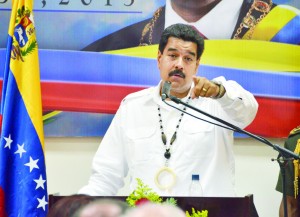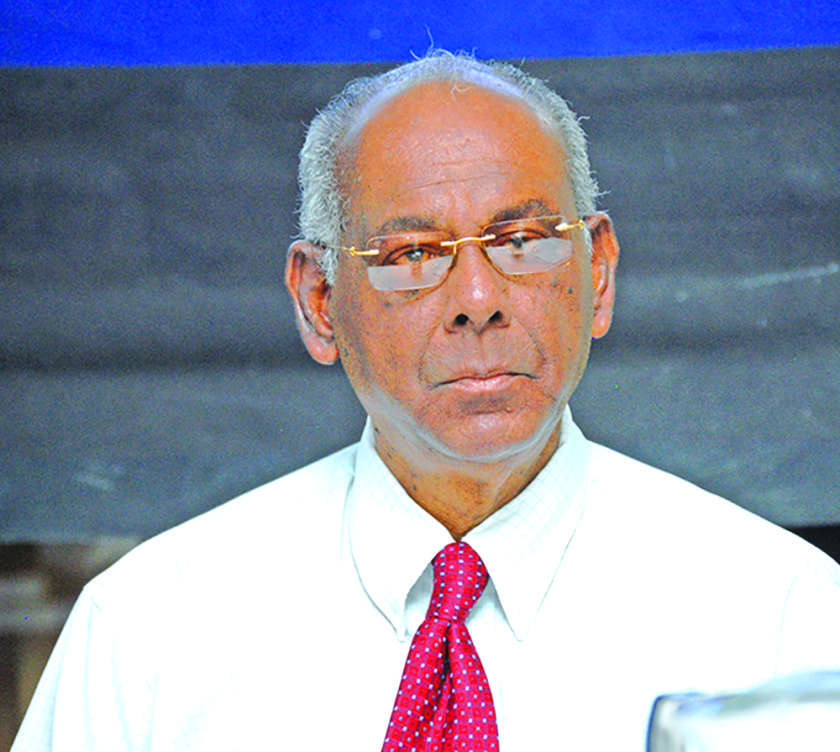
Once a decision is made by the United Nations to send the Guyana-Venezuela border controversy to the International Court of Justice (ICJ), the credibility of the Nicolás Maduro Government of Venezuela will be tested, former Foreign Affairs Minister Henry Jeffrey has said.
Dr Jeffrey’s statement comes on the heels of delays by the UN in announcing its decision on whether to send the matter before the ICJ. The former Minister is of the opinion that the present Venezuelan Government is too weak to carry that argument to its people to have the border controversy resolved.
“So you really need a strong regime in Venezuela to be able to make a credible showing at the ICJ to sell that to the Venezuelan people. That does not exist at the moment. Venezuela wouldn’t want to go in the first place, but if they had a strong Government at least they could have said that they are going. Right now, they have a weak Government and that is something to think about,” he explained.

The former Minister claimed that while many Venezuelans believe that the Essequibo belongs to their country, especially since they have been repeatedly told this since the 1960s, going to the ICJ might be the best decision, but there could be several implications for the Government.
At present, Venezuela is facing several international sanctions over rights and corruption allegations. Support for Maduro’s Administration has fallen off sharply as Venezuela’s economy has plunged deeper into crisis marked by widespread shortages and a rise in inflation.
However, Maduro plans to stand for re-election in a presidential vote due by the end of April. It has already been made known; however, that should the presidential vote be perceived as fraudulent, further foreign sanctions would be initiated, including from United States President Donald Trump.