Committed to international development through health and educational initiatives, Canadian humanitarian and relief organisation ‘Ve’ahavta’ is assisting the needy locally and abroad through volunteerism, education and acts of kindness.
Ve’ahavta, motivated by the Jewish value of tzedakah meaning “the obligation to do justice”, is founded on the understanding that the world in which we live is a most beautiful and blessed world, offering us the lush green of the rainforests and the kindest and most righteous of human beings.
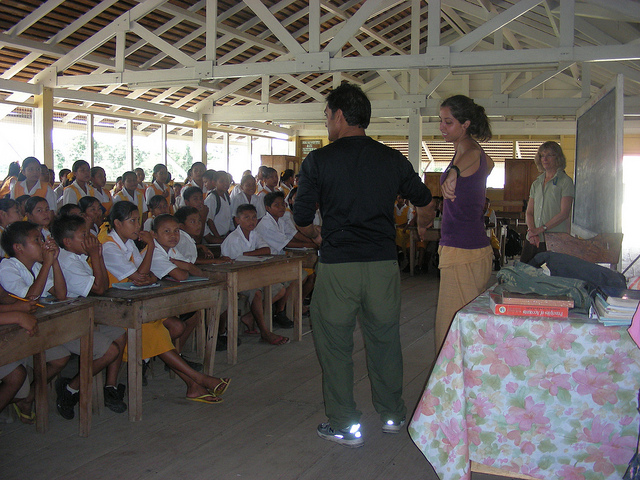
The organisation has been working in Guyana since 1997. It works in partnership with the Lions Club of Bartica, and under the umbrella of the Ministry of Health and Regional Health Services. Ve’ahavta’s work in Guyana is a development project that focuses on the long-term goal of building local capacity of healthcare service providers, and empowering local communities to take control over their health and well being.
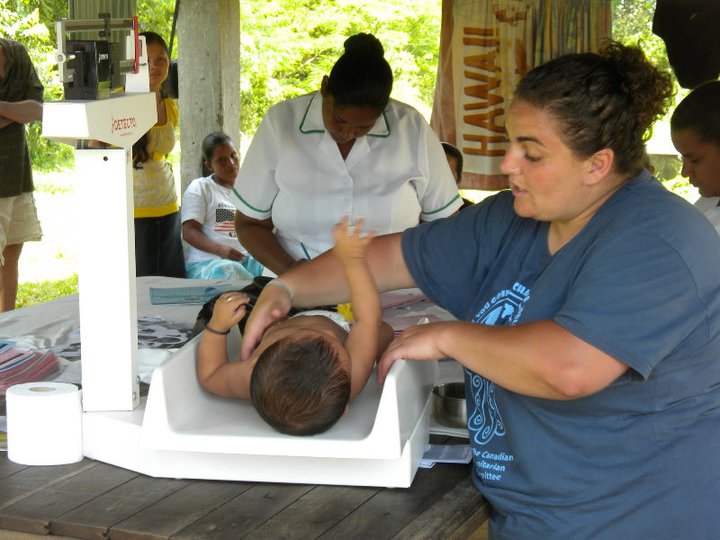
Ve’ahavta’s teams operate mobile medical clinics in rural communities, working closely alongside local healthcare workers and focusing on health promotion and education. The organisation harnesses support from volunteers and various project donors who have provided in kind donations of pharmaceuticals and other supplies. This support has allowed Ve’ahavta’s work to leverage its resources and strengthen its impact at the local level.
In addition to direct healthcare delivery, the team has undertaken a number of ongoing public health initiatives in collaboration with local healthcare workers, including provision of glucose monitoring devices to local health posts; donation of hemocue machines to measure haemoglobin; distribution of multivitamins to youth and adults to combat the effects of vitamin A deficiency, distribution of mosquito nets to pregnant women and children below the age of 5 to combat malaria; provision of oral penicillin, a comprehensive family planning interventions for local women, men and youth, including distribution of contraceptives, as well as educational literature on prevention and treatment of sexually transmitted infections, and distribution of iron sprinkles to combat the effects of anaemia in young children.
The scientific focus of Ve’ahavta’s mission is to find inexpensive ways in which healthcare can be delivered so that sustainable systems can be set up, which will no longer be dependent on charitable organisations.
Due to the organisation’s vast outreach programmes, there have been amazing results. For instance, acquired childhood blindness or pathological eye symptoms from vitamin A deficiency, a significant problem over 10 years ago, is no longer present in the communities Ve’ahavta has worked in. Also, Yaws, a chronic infection that affects mainly the skin, bone and cartilage, has been eradicated from the many districts the organisation has provided medically for. Additionally, there has been a dramatic reduction in malaria in the communities visited by Ve’ahavta and the Lions Club.
Of note is Ve’ahavta directly facilitating the life-saving surgery of four Guyanese children, diagnosed during past medical missions, at the Hospital for Sick Children in Toronto via the Herbie Fund, a charitable arm of the hospital’s International Patient Programme.
Speaking with Guyana Times Sunday Magazine, Robyn Segall, Ve’ahavta’s director of programmes and marketing, said the organisation is preparing to enter into the third year of the Br’iut programme in Guyana.
‘Bri’ut’, meaning “health” in Hebrew, is a community-based ecological health promotion programme designed to support local, community-led health programmes and general healthy behaviour change at the local level. It also works with local stakeholders to motivate, educate and empower individuals in targeted regions to make informed and healthy choices.
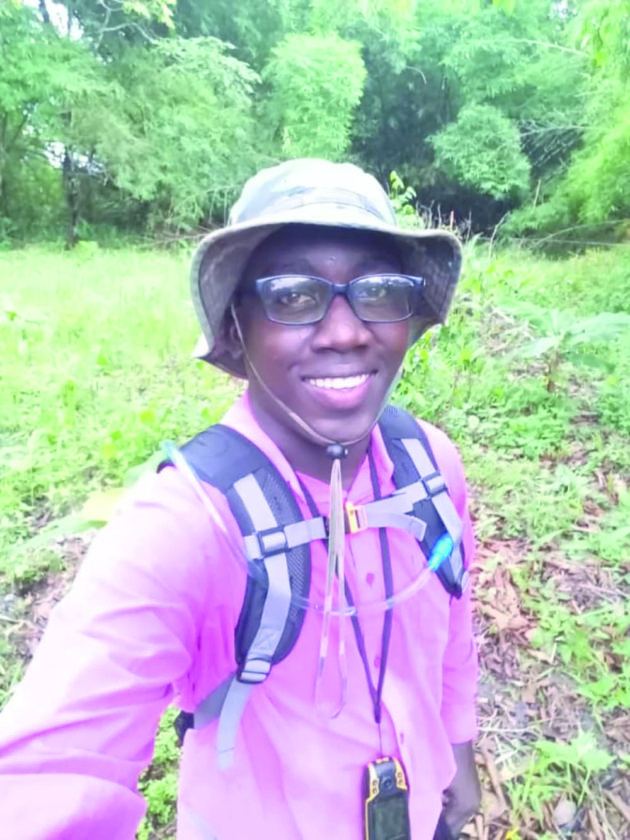
“Ve’ahavta facilitates the placement of graduate-level public health students for four months with a local Amerindian community partner. The placements are intended to support community-based development of new health promotion programmes, while strengthening the capacity of local healthcare workers and community-based health educators, to support programmes which encourage healthy behaviour changes at the local level,” explained Segall.